Practical Insights for Embroidering the Pediatric Nurse Design
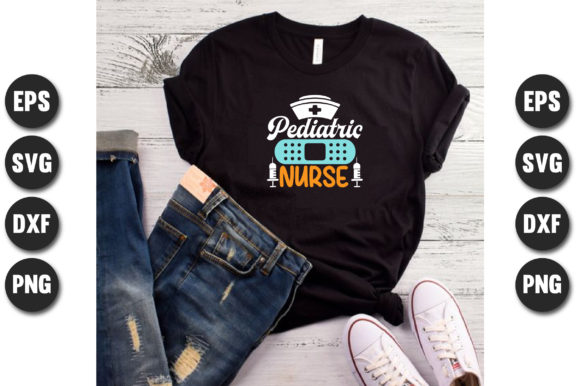
When I first opened the Pediatric Nurse embroidery file, my immediate thought was: this is a heartwarming, professional piece. The mood is distinctly caring and trustworthy. The theme is clear without being overly sentimental, and the layout feels balanced, suitable for a variety of products. The detail level appears manageable—not so intricate that it becomes a stitching nightmare on a cap, but with enough character to stand out on a tote bag or sweatshirt. Its visual personality is gentle and approachable, exactly what you'd want for any project related to childcare, gifts for medical professionals, or boutique items for nurseries.
Where This Design Finds Its Perfect Home
In my work, I always think about where a design truly belongs. Pediatric Nurse naturally leans toward personalized gifts and custom apparel. Picture a custom embroidered sweatshirt for a nurse graduating from pediatrics, or a delicate tote bag for a mother who works in childcare. It would shine on a baby’s blanket as a gift for a pediatrician, or as a thoughtful patch on a nurse’s apron. For small business merchandise, this design could anchor a whole line of products for medical-themed boutiques, Etsy listings for caregiver gifts, or craft fair products aimed at celebrating healthcare workers. The clean graphics make it versatile; it could be the centerpiece on a pillow cover for a nursery or a subtle accent on a kitchen towel in a pediatric clinic’s staff room.
The design also feels giftable. Holiday gifts like embroidered holiday ornaments for nurses, or wedding gifts for a couple where one is a pediatric nurse, come to mind. Its recognition factor is high, and that builds customer trust. When a handmade product carries a design that feels authentic and respectful, it elevates the perceived value. For a crafter or Etsy seller, using Pediatric Nurse on a finished product adds a layer of professionalism and brand consistency if your shop focuses on celebrating professions or creating meaningful keepsakes.
Navigating Real-Life Embroidery Situations
Now, let’s talk about the stitch. Imagining this design on actual fabric, I consider a real scenario: preparing a custom embroidered tote bag for a client who is a pediatric nurse. My goal is clarity and durability. On a textured fabric like a canvas tote, the design’s lines need to be clean. I would be mindful of stitch density—areas that look dense in the preview could pucker if not stabilized properly. For a sweatshirt or baby clothes, using a proper stabilizer is non-optional to prevent distortion on stretchy fabric.
Dark fabric backgrounds present a classic challenge. Pediatric Nurse, with its likely fine lines and details, would require careful thread color contrast. I’d test it on both light and dark scraps first. On curved surfaces like caps, the design’s shape and any potential tiny lettering would need inspection; some embroidery machines handle curves better than others, and small details can get lost.
Products that need frequent washing, like baby embroidery on a wearable or a kitchen towel, demand robust stitching. Satin stitches and fill stitches in this design should be evaluated for durability. Running stitches for outlines might be more prone to wear. This isn’t a drawback, but a practical note: for such items, a slightly larger hoop size might yield stronger results.
Careful Application: Where to Be Mindful
Every embroidery design has its sweet spots and its tricky zones. For Pediatric Nurse, I would be cautious with very small hoop sizes. Compressing the design might muddle its professional feel. Similarly, on thin fabric like a lightweight t-shirt, the stitch density could show through or cause pulling. Layered garments with collars or seams could interrupt the design’s layout.
Detailed corners and dense stitch areas are always a point of focus. Before running the machine embroidery design on a final product, I always check these on scrap fabric. Decorative accents within the design need to stitch clearly; if they’re too fine, they might blend into the background on the finished product. This affects visual appeal and stitching clarity directly, which in turn influences buyer engagement—a customer looking at an online printable mockup expects the real item to match that crispness.
Notes from the Hoop: A Designer’s Checklist
Before committing Pediatric Nurse to a client project or my own small shop product, my process is practical. First, test the design on scrap fabric identical to the final product fabric. Check thread color contrast against both light and dark fabric backgrounds. Review stitch density by looking at the embroidered sample—does it feel too thick or too sparse for the fabric type?
Confirm the hoop size needed by actually hooping the scrap. Inspect small details: are any elements too tiny to read after stitching? It’s also wise to test the design in black and white mockups to see if it holds its form without color. This is especially useful for commercial embroidery projects where consistency is key.
Use proper stabilizer for the specific application—a tote bag might need a different type than a baby’s delicate shirt. Finally, and crucially, check whether the design works for both personal and commercial projects. The product description states “You Will Get 100 Original Design And Without Copyright From Me,” but as a responsible maker, I always advise confirming the licensing specifics before selling finished items or digital products derived from the file. This protects your craft business and builds professional integrity.
The Final Impression: Value in the Stitch
After walking through these considerations, Pediatric Nurse emerges as a design with strong practical potential. Its appeal lies in its clear theme and adaptable layout. In real embroidery work, it can become a cherished element on handmade products, enhancing giftability and recognition. For the apparel decorator or creative entrepreneur, it’s a reliable digital embroidery file that can anchor a line of products with a coherent mood.
When I evaluate a design like this, I think about the end customer’s reaction. A well-embroidered Pediatric Nurse patch on a cap feels professional and personal. On a boutique product like an embroidered pillow cover, it adds a narrative. For the hobbyist making a personalized gift, it conveys respect and care. The design’s success hinges not just on the file itself, but on the maker’s attention to those practical embroidery situations—the right fabric, the right stabilizer, the right intent.
So, if you’re a crafter, Etsy seller, or small business owner looking at this graphics set, see it as a versatile design asset. Approach it with a tester’s mindset: run it on scraps, play with placements, and imagine it on that tote bag, sweatshirt, or baby item you have in mind. That’s how you unlock its real value for your embroidery project and turn a digital file into a finished product that truly resonates.