Evaluating the "I Am a Nurse I Can't" Embroidery Design
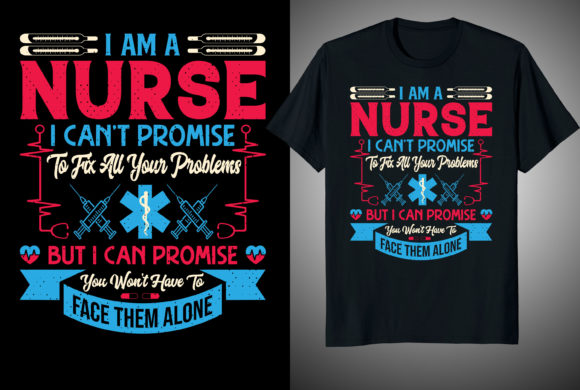
The first thing you notice with this "I Am a Nurse I Can’t" T-shirt design is its mood. It isn’t a flashy, boastful statement. It’s a grounded, human promise. The layout feels conversational, with the main declaration upfront and the supportive, empathetic text flowing beneath. This creates a visual personality that’s warm, professional, and deeply relatable. As a designer, I appreciate that. It tells me this embroidery design belongs to projects meant to convey appreciation and solidarity, not just a job title.
Where This Design Finds Its Home in Real Projects
When I think about applying this to actual embroidery work, several applications spring to mind immediately. A custom embroidered sweatshirt or a high-quality t-shirt for a nurse would be a perfect, personal gift. But its appeal goes wider. Imagine stitching this onto a sturdy tote bag for a nursing student—a daily reminder of their purpose. For a boutique focusing on healthcare professionals, this could become a core piece of merchandise, embroidered on aprons or crisp pillow covers for a nurse’s lounge.
The emotional core of the message also makes it ideal for commemorative items. A beautifully embroidered patch, framed or applied to a blanket, becomes a heartfelt gift from a patient’s family. For baby clothes or nursery decor items for a nurse’s own child, it adds a layer of personal pride. In my experience, designs with this kind of authentic voice perform exceptionally well at craft fairs and in Etsy listings for personalized gifts. It’s not just a graphic; it’s a story you’re stitching.
Navigating the Practicalities of Stitching This Text
Now, let’s talk about the real-life embroidery situations. The description notes you can change the design color, which is crucial. For machine embroidery, this means you can adapt the thread colors to match any fabric background. On a dark navy sweatshirt, a bright white or silver satin stitch for the text would pop beautifully. On a light pink baby bib, softer pastel threads would work.
However, the length of the secondary text—“I can’t promise to fix all your problems, but I can promise you won’t have to face them alone”—requires careful attention. This isn’t a design for a tiny hoop. You need sufficient space for that sentence to remain clear and readable after stitching. On curved surfaces like caps, the longer text might become challenging unless the embroidery file is expertly adapted for that curvature. Test it on scrap fabric first.
For small details like the tiny lettering, stitch density is key. Too dense, and it could become stiff on thin or stretchy fabric like a t-shirt. Too light, and it might look sparse. Using a proper stabilizer is non-negotiable here, especially on textured fabrics like a tote bag’s canvas or a knit sweatshirt. The goal is stitching clarity that preserves the message’s gentle, handwritten flow.
When to Exercise Design Caution
Some projects demand extra care. Layered garments with seams or pockets underneath the design area could distort the embroidery. Products destined for frequent washing, like kitchen towels or aprons, need a robust stitch structure to endure. Always check how the design, particularly the denser fill stitches if present, behaves on your specific fabric.
Also, consider the end-user. While the design is clearly aimed at nurses, its message of supportive presence is universal. For commercial embroidery projects, a small shop might use it for a “caregiver” series alongside other professions. This expands its utility. But a critical practical note: always confirm the licensing terms of the digital embroidery file before selling finished items or digital products like printable mockups. The description doesn’t specify this, so verifying is a must for any craft business or Etsy seller.
The Impact on Value, Trust, and Presentation
How does this design affect the final product’s appeal? It elevates it. A simple “Nurse” text is a label. This "I Am a Nurse I Can’t" embroidery design is a narrative. It adds perceived value because it feels thoughtful. For customer trust and engagement, it resonates on a personal level, making your handmade product or custom apparel feel uniquely considerate.
This strengthens brand consistency for a creative entrepreneur focused on empathetic gifts. The professionalism comes from clean execution—ensuring the stitches are smooth and the text alignment is precise. A messy run of small running stitches here would undermine the message’s sincerity. In black and white mockups, or comparing light and dark fabric backgrounds during your test, you’ll see how crucial thread color contrast is for readability and visual appeal.
Final Designer Notes Before You Hoop It Up
My final judgment is this: the "I Am a Nurse I Can’t" T-shirt design is a strong, emotion-driven graphic asset. Its practical success hinges on your setup. Test it on scrap fabric first, not just for stitch quality but to feel its emotional weight in physical form. Inspect the small details in your chosen hoop size. Does the promise still feel intimate and clear? Use it where the product can honor that intimacy—a premium sweatshirt, a keepsake patch, a boutique tote.
For embroidery designers and makers, this design offers a wonderful bridge between commercial embroidery and personalized gift creation. It’s versatile across apparel, decor, and accessories, provided you manage the technical aspects of the longer text. It speaks directly to a community, and when stitched well, your finished product will carry that voice with authenticity and craft. That’s a combination that truly engages buyers and makes an embroidery project worthwhile.