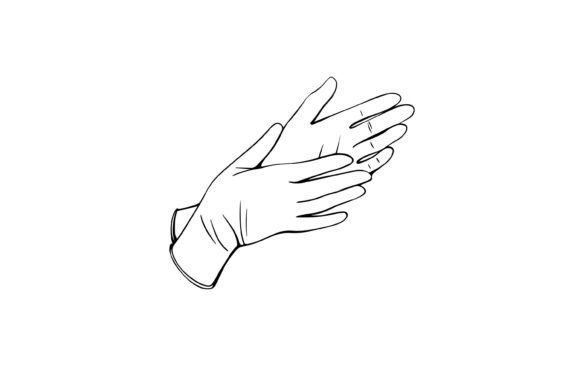
A Designer's Review of the Latex Surgical Gloves Embroidery Graphic
First Impressions: Minimalism with a Message
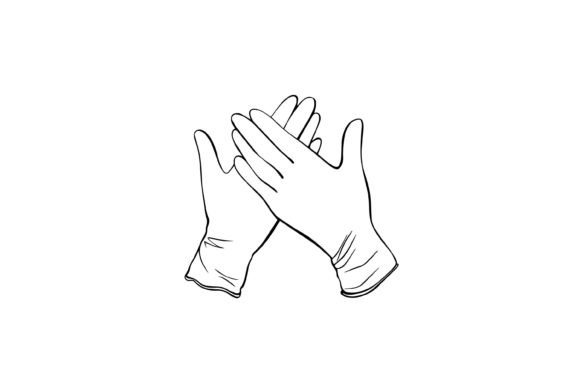
When I first opened the Latex Surgical Medical Gloves design file, my immediate thought was, “this is clever.” The graphic is deceptively simple. It’s not a flashy, ornate illustration; it’s a clean, recognizable symbol. This creates a mood of professionalism, care, and modern relevance. The layout is straightforward—the gloves are the sole focus—which gives it a strong visual personality. It feels clinical yet approachable, a balance that’s perfect for certain niches. For embroidery, this level of detail is promising: clear outlines, defined shapes, and no overly intricate inner details that could get lost in stitching. It naturally belongs to projects that need a concise, symbolic statement rather than a decorative flourish.
Where This Design Thrives in Real Projects
I pictured myself prepping a custom order for a nurse—a personalized tote bag for her work essentials. This graphic would be the perfect centerpiece. It’s instantly recognizable and carries a sense of pride in profession. Beyond that, I see it working wonderfully on:
- Apparel for medical professionals: Embroidered on the sleeve of a sweatshirt or the chest of a polo shirt for a clinic team.
- Gifts of appreciation: A neat, small stitch on a kitchen towel or apron for someone who works in healthcare.
- Boutique merchandise: For a small shop selling to a medical community, it could be a simple, branded patch on a cap.
- Baby items: For a newborn gift to a doctor or nurse parent, a tiny version on a blanket corner adds a personalized touch.
- Digital product mockups: The clean PNG file is excellent for creating printable previews for an Etsy listing of custom embroidered patches.
The strength here is its visual appeal through clarity. On a finished product, it communicates a message quickly. For a customer, it builds trust—the design feels official and thoughtful. For a small business owner, it aids in brand consistency if your niche is medical or science-themed gifts. Its giftability and professionalism are high.
Caution Areas: Where to Test and Tread Carefully
While the shape is generally forgiving, embroidery has its own rules. This design shouldn’t be thrown onto any project without consideration. Here’s where I’d be cautious:
- Very small hoop sizes: If you try to shrink it down for a delicate baby garment, the finger outlines and cuff details might become a blur of satin stitches.
- Textured or stretchy fabrics: A thick sweater or a stretchy t-shirt knit could distort the clean lines of the gloves. Proper stabilizer is non-negotiable here.
- Dark fabric backgrounds: The design, as a graphic, likely relies on its outline. On dark fabric, you’ll need to choose thread colors that pop—a white or light grey fill stitch might be necessary for clarity, not just a running stitch outline.
- Curved surfaces like caps: The elongated shape of the gloves could be tricky on the curved crown of a cap. You’d need to test placement to avoid awkward distortion.
- Products needing frequent washing: If the stitch density is very high in the fill areas, it could become stiff and uncomfortable on, say, a work towel. A lighter fill stitch or even an applique approach might be better for durability.
The key is remembering that this is an Illustrations category graphic. Its success as an embroidery file depends on your translation of its vector details into physical stitches.
A Practical Scenario: Crafting a Holiday Gift for a Surgeon
Let’s walk through a real case. I’m making a holiday gift—a premium pillow cover for a surgeon friend. I want the design to be elegant and subtle. I load the Latex Surgical Medical Gloves file into my software. I’m considering using a silver grey thread for a tonal, sophisticated look on a dark blue linen. My first step isn’t stitching on the final fabric. I’ll test on a scrap of similar linen. I need to check the thread color contrast and review the stitch density in the glove’s palm area. Is it too dense for the linen’s texture? I also inspect the small details at the cuff—will they be clear, or should I simplify them slightly for this scale? This test run saves the final product and informs my choices.
Impact on Your Craft Business and Customer Engagement
From a commercial perspective, this graphic offers specific value. For an Etsy seller specializing in personalized medical gifts, it fills a clear niche. It’s a design asset that can be used across products—from embroidered patches to printable mockups for digital listings. It enhances buyer engagement because it’s so specific; a customer searching for “medical embroidery” will instantly recognize its relevance. However, its success hinges on execution. A poorly stitched, blurry version on a tote bag will look amateurish. A crisp, clean rendition on a sweatshirt elevates the perceived value and handmade presentation.
It’s also worth noting the product type is Graphics. This means you’re likely working with vector files like SVG and EPS. For embroidery, this is great for scaling without quality loss, but you must convert it to a proper machine embroidery format, paying close attention to how those paths translate to stitches.
Essential Designer Notes Before You Hoop
Before you commit this design to a client project or your small shop merchandise, here’s my practical checklist:
- Always test the design on scrap fabric first, mimicking the final fabric’s weight and texture.
- Check thread color contrast against your final fabric in both light and dark backgrounds.
- Review the stitch density in your embroidery software—can it be adjusted for the fabric?
- Confirm the hoop size needed for your desired final size. Don’t guess.
- Inspect the small details in the design file. Are there tiny corners or lines that might not stitch well?
- Use proper stabilizer for your chosen fabric type. This design’s clarity depends on it.
- Check whether the design’s licensing allows for both personal and commercial projects before selling finished items. The product description mentions a zip file with formats, but always verify the terms of use.
The Final Stitch: A Niche Design with Clear Potential
The Latex Surgical Medical Gloves embroidery graphic isn’t a universal, all-purpose design. That’s its strength. It serves a specific audience with a clear need. In the right hands—with careful testing, appropriate fabric choice, and mindful stitching—it can become a standout element on custom apparel, a meaningful personalized gift, or a consistent product in a craft business targeting the medical field. Its value lies in its symbolic simplicity. Just remember, in embroidery, the simplest shapes often require the most thoughtful execution to ensure they stitch up as cleanly as they appear on screen. Approach it with a designer’s eye for detail and a maker’s respect for the craft, and it will serve your projects well.